
Gold has remained one of the most valuable assets throughout the history of the global economy. From ancient civilizations to the modern financial system, gold has played an important role as a store of wealth, an investment instrument, and a commodity traded across international markets.
Entering 2026, the global gold business and investment market continue to offer attractive opportunities. Changes in global economic conditions, central bank interest rate policies, inflation, currency movements, and geopolitical tensions are among the major factors influencing international gold prices.
As financial markets become increasingly complex, gold is attracting interest not only from individual investors but also from central banks, investment companies, financial institutions, and the global jewelry industry.
However, generating profits from the gold business involves more than simply buying when prices are low and selling when prices rise. Investors and business owners need to understand market trends, fundamental analysis, capital management, and investment opportunities across both short-term and long-term strategies.
So, how can investors build a profitable gold business strategy in 2026? What global gold investment opportunities are worth exploring, and how can businesses maximize profits amid changing international economic conditions?
This article explores global gold business strategies, covering market developments, gold price movements, investment opportunities, business models, and practical approaches that investors and entrepreneurs can consider in 2026.
1. Global Gold Market Development in 2026
The global gold market continues to evolve alongside changing economic conditions and international investment demand. Gold has different characteristics compared with stocks, bonds, cryptocurrencies, and energy commodities.
One of the main reasons gold remains attractive is its potential role in portfolio diversification. During periods of economic uncertainty, investors often consider gold as an alternative asset to help reduce concentration risk.
In 2026, several developments are influencing the global gold market, including international monetary policies, investment demand, central bank purchases, and global trade conditions.
Financial technology is also changing how people access gold investments. Investors no longer need to purchase physical gold exclusively. Products such as gold ETFs, digital gold accounts, and other gold-backed investment instruments provide alternative ways to participate in the precious metals market.
Key Factors Driving Global Gold Market Growth
Several factors may support the development of the global gold business:
- Economic uncertainty: Unstable economic conditions can increase investor interest in assets traditionally used for wealth preservation.
- Central bank demand: Gold purchases by central banks remain an important component of global demand.
- Digital investment growth: Digital investment platforms provide wider access to gold-related financial products.
- Jewelry demand: Gold consumption in the jewelry industry continues to represent an important part of the international market.
- Portfolio diversification: Investors use gold to spread exposure across different asset classes.
These developments demonstrate that the gold business is no longer limited to physical precious metals trading. It also includes investment products, financial technology, distribution networks, and financial services.
2. Global Gold Price Analysis and the Factors Influencing Market Movements
Global gold prices are closely monitored by investors, precious metals trading companies, and international financial institutions.
International gold prices are generally quoted in US dollars per troy ounce. Their movements are influenced by supply and demand, economic conditions, and trading activities across global markets.
Understanding these factors is essential before making gold investment decisions.
A. Central Bank Interest Rate Policies
Interest rate policies play an important role in determining gold market movements.
When interest rates decline, interest-bearing investments may become relatively less attractive. Under certain conditions, this can increase the appeal of gold, which does not generate interest income.
Conversely, higher interest rates can increase the opportunity cost of holding gold compared with interest-bearing financial instruments.
Investors should therefore monitor major central bank decisions, particularly those made by the US Federal Reserve.
B. Inflation and Currency Purchasing Power
Inflation is another important factor in gold investment analysis.
When the prices of goods and services increase, the purchasing power of currencies may decline. Under certain economic conditions, investors consider gold as one way to preserve the value of their wealth.
However, the relationship between inflation and gold prices is not always direct. Interest rate expectations, US dollar strength, and broader market conditions can also influence gold price movements.
C. US Dollar Exchange Rate Movements
Gold is generally traded internationally using the US dollar.
When the dollar strengthens, gold may become more expensive for buyers using other currencies. This can potentially affect international demand.
On the other hand, a weaker US dollar may improve the purchasing power of some international gold investors.
D. Global Geopolitical Tensions
International conflicts, trade tensions, and political uncertainty can influence investor sentiment.
During certain periods of uncertainty, investors may increase their allocation to assets that could help protect their portfolios. Gold is frequently considered as one of these potential safe-haven assets.
E. Gold Supply and Demand
Beyond economic factors, gold prices are also influenced by mining production, recycling activities, jewelry consumption, and institutional purchases.
Imbalances between supply and demand can create upward or downward pressure on international gold prices.
3. Promising Global Gold Investment Opportunities in 2026
The gold business offers several investment models that can be adapted to different financial objectives, capital requirements, and investment strategies.
Developments in global financial markets have created more ways to access gold investments. Investors can choose between physical ownership and financial products linked to gold prices.
Here are several gold investment opportunities worth exploring in 2026.
A. Physical Gold Investment

Source : perthmint
Physical gold remains one of the most widely recognized forms of investment.
Investors can purchase gold bars, gold coins, and other precious metal products through reputable dealers and financial institutions.
One of the main advantages of physical gold is direct ownership of a tangible asset that can be stored and resold according to market conditions.
However, investors should consider storage expenses, security, product authenticity, the difference between buying and selling prices, and transaction costs.
B. Gold ETF Investment

Source : linkedin
Gold Exchange-Traded Funds (ETFs) provide investors with exposure to gold prices through financial markets.
These investment products can be an alternative for investors who do not want to store physical gold themselves.
Gold ETFs are generally traded on stock exchanges, allowing investors to buy and sell units through brokerage firms that provide access to these products.
Before investing, it is important to understand the fund structure, management fees, underlying assets, and market risks.
C. Gold Trading Business

Source : goldandsilverexpert
Gold trading is a business opportunity that involves purchasing and selling precious metals to generate profits.
Entrepreneurs can establish businesses as gold distributors, bullion dealers, precious metals retailers, or gold trading service providers.
Revenue can come from the difference between buying and selling prices, transaction volumes, and additional services.
To build a sustainable gold trading business, entrepreneurs need reliable suppliers, product authentication systems, effective inventory management, and transparent pricing.
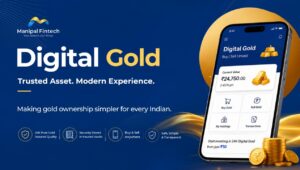
D. Digital Gold Investment
Source : linkedin
Financial technology has made gold investment increasingly accessible through digital platforms.
Through certain services, users can purchase, sell, or hold electronic gold ownership interests according to the platform’s terms and conditions.
Digital gold investment can attract individuals who want to start investing with relatively small amounts without physically storing gold themselves.
However, investors should carefully examine platform authorization, gold custody arrangements, transaction fees, physical redemption policies, and consumer protection measures.
E. Gold Mining Company Stocks
Another investment alternative is purchasing shares of companies involved in gold mining.
The performance of mining companies is influenced not only by gold prices but also by production costs, mineral reserves, operational efficiency, debt levels, and management quality.
When gold prices increase, mining companies with efficient cost structures may experience improvements in their profit margins.
Nevertheless, mining stocks carry additional business and stock market risks that investors should evaluate independently.
4. Strategies for Building a Profitable Gold Business
Building a successful gold business requires careful planning. Beyond understanding price movements, entrepreneurs must know how to source products, identify target markets, manage inventory, and establish customer trust.
The following strategies can help businesses develop their gold operations in 2026.
A. Choose the Right Gold Business Model
The first step is determining which type of gold business to establish.
Several business models include:
- Gold Trading Business: Buying and selling gold to generate profits from price differences.
- Gold Jewelry Business: Selling gold jewelry with different designs and target customer segments.
- Gold Bullion Distribution: Becoming a distributor of gold bars for local and international markets.
- Digital Gold Business: Developing technology-based gold trading or investment services.
- Gold Mining Business: Participating in mining, processing, or providing services to the gold industry.
The right business model should match available capital, experience, local regulations, and market demand.
B. Build a Reliable Supplier Network
In the gold business, product quality and authenticity are essential.
Entrepreneurs should establish relationships with reputable suppliers that offer transparent pricing and proper product documentation.
Important considerations when selecting gold suppliers include:
- Appropriate business licenses and legal documentation.
- Clear information about gold purity and weight.
- Reliable product authentication procedures.
- Competitive and transparent pricing.
- Verifiable transaction records.
Strong supplier relationships can help maintain inventory stability and improve customer confidence.
C. Utilize Digital Marketing Strategies

Source : starlightjewellery
The growth of the internet provides gold businesses with opportunities to reach customers across different regions.
Digital marketing can be implemented through business websites, social media platforms, online marketplaces, and educational content about precious metals investment.
Some effective marketing strategies include:
- Creating a professional gold business website.
- Publishing SEO-optimized articles about gold prices and investment opportunities.
- Using social media to introduce products.
- Creating educational content about buying gold.
- Building credibility through customer reviews.
- Using digital advertising to reach targeted audiences.
With the right marketing strategy, gold businesses can expand beyond local markets and potentially reach international customers.
D. Manage Capital and Inventory Efficiently
Capital management is an essential part of running a gold trading business.
Gold prices can change daily, making effective inventory management particularly important.
Avoid using all available capital to purchase inventory at one time. Consider operational expenses, storage costs, insurance, and emergency reserves.
Regular inventory evaluations can also help businesses adjust purchasing decisions according to changing market demand.
5. How to Maximize Profits from Gold Investment
Generating profits from gold investment does not always depend on rising prices alone. Investors should also consider transaction costs, purchasing strategies, investment timing, and risk management.
The following approaches can help improve investment efficiency.
A. Use the Dollar-Cost Averaging Strategy
Dollar-Cost Averaging (DCA) is an investment method that involves purchasing gold regularly using a predetermined amount of money.
For example, an investor may allocate a fixed amount every month to purchase gold without trying to predict the lowest market price.
This strategy can reduce dependence on a single purchasing period. However, DCA does not guarantee profits and investors can still experience losses if gold prices decline.
B. Take Advantage of Gold Price Corrections
A price correction occurs when gold prices decline after experiencing an earlier increase.
For long-term investors, a market correction may provide an opportunity to reassess potential buying opportunities.
However, it is important to distinguish temporary corrections from fundamental changes in market trends. Not every price decline indicates that gold prices will immediately recover.
C. Understand the Gold Buying and Selling Spread
One factor frequently overlooked by beginner investors is the spread, or the difference between gold buying and selling prices.
Investment returns are not determined solely by market price increases. Transaction fees and price spreads also influence the final outcome.
Before purchasing gold, compare prices from several providers and calculate the total investment costs.
D. Set Profit Targets and Investment Timeframes
Every investor should establish clear investment objectives from the beginning.
Long-term investors generally focus on potential asset appreciation over several years, while short-term investors pay closer attention to daily or weekly price movements.
Setting profit targets and acceptable loss limits can help investors avoid emotional decisions.
E. Diversify Your Investment Portfolio
Although gold plays an important role in portfolio diversification, allocating all investment capital to a single asset still creates significant exposure to risk.
Investors may consider combining gold with stocks, bonds, money market instruments, or other assets according to their financial objectives and risk tolerance.
The purpose of diversification is not to eliminate all investment risks but to reduce dependence on a single source of returns.
6. The Role of Technology in the Global Gold Business

Source : financialexpress
Technology is transforming the international gold trading industry.
In the past, gold transactions were largely conducted through physical stores and financial institutions. Today, technological developments allow many investment activities to take place digitally.
Several innovations are influencing the future of the gold business.
A. Digital Gold Platforms
Digital gold platforms allow users to access gold-related products through mobile applications and websites.
Investors can monitor prices, execute transactions, and review ownership information through digital systems.
B. Blockchain and Gold Tokenization
Blockchain technology creates opportunities to develop digital assets backed by physical gold.
Through tokenization, ownership interests or claims related to gold can be represented by digital tokens, depending on the product structure and legal arrangements.
However, investors should understand that not all gold-backed tokens offer the same physical backing, redemption rights, or investor protection.
C. Artificial Intelligence in Gold Market Analysis
Artificial Intelligence (AI) is increasingly being used to analyze financial information.
In the gold industry, AI technology can help process price data, examine historical patterns, monitor market sentiment, and support business decision-making.
Nevertheless, AI-generated analysis should always be evaluated carefully. Unexpected geopolitical and economic developments can make market predictions less accurate.
D. E-Commerce and International Trade
Digital commerce allows gold businesses to expand their marketing reach through e-commerce platforms.
Entrepreneurs can introduce products to international customers, establish distribution networks, and utilize digital payment technologies.
However, cross-border gold trading requires attention to import and export regulations, taxation, customs procedures, and precious metals trading requirements in each country.
7. Challenges and Risks in the Gold Business in 2026
Although the gold industry offers attractive opportunities, it also involves several challenges.
Understanding these risks is essential for building a sustainable business.
A. Gold Price Volatility
Gold prices can experience both increases and declines.
Investors who purchase gold at high prices may face losses when market prices decrease.
Therefore, market analysis is important before making investment decisions rather than simply following rising price trends.
B. Changes in Monetary Policy
Interest rate policies and central bank decisions can influence gold’s investment appeal.
For example, rising bond yields and a stronger US dollar may create downward pressure on gold prices under certain market conditions.
C. Business Competition
The gold trading industry faces considerable competition.
Businesses need to offer quality products, competitive prices, professional customer service, and transparent transactions to maintain their market position.
D. Product Authenticity Risks
Counterfeit precious metals can create financial losses and damage business reputations.
For this reason, verification of purity, weight, certification, and product origin should be included in standard operating procedures.
E. International Regulatory Changes
Cross-border gold businesses may face different regulations concerning trading activities, taxation, ownership, and transaction reporting.
Entrepreneurs should understand the legal requirements in every market where they operate.
8. The Future Outlook for the Global Gold Business Beyond 2026

Source : bitzo
The long-term outlook for the gold business remains an important subject for investors and entrepreneurs, particularly because gold has an established role in the global financial system.
Demand from investors, central banks, the jewelry industry, and technology sectors will continue to influence the development of the gold market.
According to the World Gold Council’s 2026 mid-year outlook, investment demand is expected to be one of the major drivers of gold demand during the second half of the year. OTC investment activity and Asian market purchases are also expected to contribute significantly.
Furthermore, the World Gold Council’s June 2026 survey indicated that 89% of central bank respondents expected global central bank gold reserves to increase over the following 12 months. This highlights the continued strategic importance of gold in reserve management.
However, these developments do not mean that gold prices will always increase.
The World Gold Council’s July 2026 analysis also highlighted the possibility of more limited price movements if economic conditions develop as expected, while changes in interest rates and geopolitical risks could create additional volatility.
For business owners, these developments emphasize the importance of flexible strategies rather than relying exclusively on rising gold prices.
Several areas with potential for further development include:
- Physical gold trading and precious metals distribution.
- Digital gold investment platforms.
- Gold-backed investment products.
- Blockchain technology and gold tokenization.
- Modern gold jewelry manufacturing.
- Gold storage and asset management services.
Businesses that combine trust, technology, transparency, and market knowledge may be better positioned to strengthen their presence in the global gold industry.
9. Tips for Starting a Gold Business for Beginners
For individuals interested in entering the gold industry in 2026, starting with a structured business plan can be more effective than immediately committing large amounts of capital.
Here are several practical steps to consider:
- Study the gold market: Understand international prices, gold purity, buying and selling spreads, and economic factors influencing prices.
- Choose a business model: Decide whether to focus on physical gold trading, jewelry, distribution, or digital gold investment.
- Start with manageable capital: Match your investment with your financial capacity and operational requirements.
- Select reliable suppliers: Make sure product sources are transparent and supported by appropriate documentation.
- Build digital marketing channels: Use websites, SEO, online marketplaces, and social media to promote your business.
- Maintain financial records: Record every transaction, operating expense, inventory movement, and business profit.
- Evaluate business performance: Monitor market demand and adjust your strategy according to changing economic conditions.
These steps can help entrepreneurs establish a more organized gold business and prepare for competition in international markets.
Conclusion: Global Gold Business Strategies to Maximize Profits in 2026
The global gold business in 2026 offers various opportunities for investors and entrepreneurs who understand changes in international markets.
Gold remains an important asset in the global financial system because of its role as a store of value, portfolio diversification instrument, and commodity used in the jewelry and technology industries.
Investment opportunities are no longer limited to purchasing physical gold bars. The development of gold ETFs, digital gold investment, gold mining stocks, and blockchain technology has created additional ways to participate in the gold industry.
However, profits do not come simply from following rising price trends. Investors and business owners must understand fundamental analysis, manage capital carefully, monitor transaction costs, and apply appropriate risk management strategies.
By combining market knowledge, technological innovation, effective marketing, and sound financial management, gold businesses have opportunities to develop and remain competitive amid changing global economic conditions.
Ultimately, success in the gold business is not only about buying when prices are low and selling when prices are high. It also depends on the ability to recognize opportunities, build customer trust, and develop business strategies that can adapt to different market conditions.